
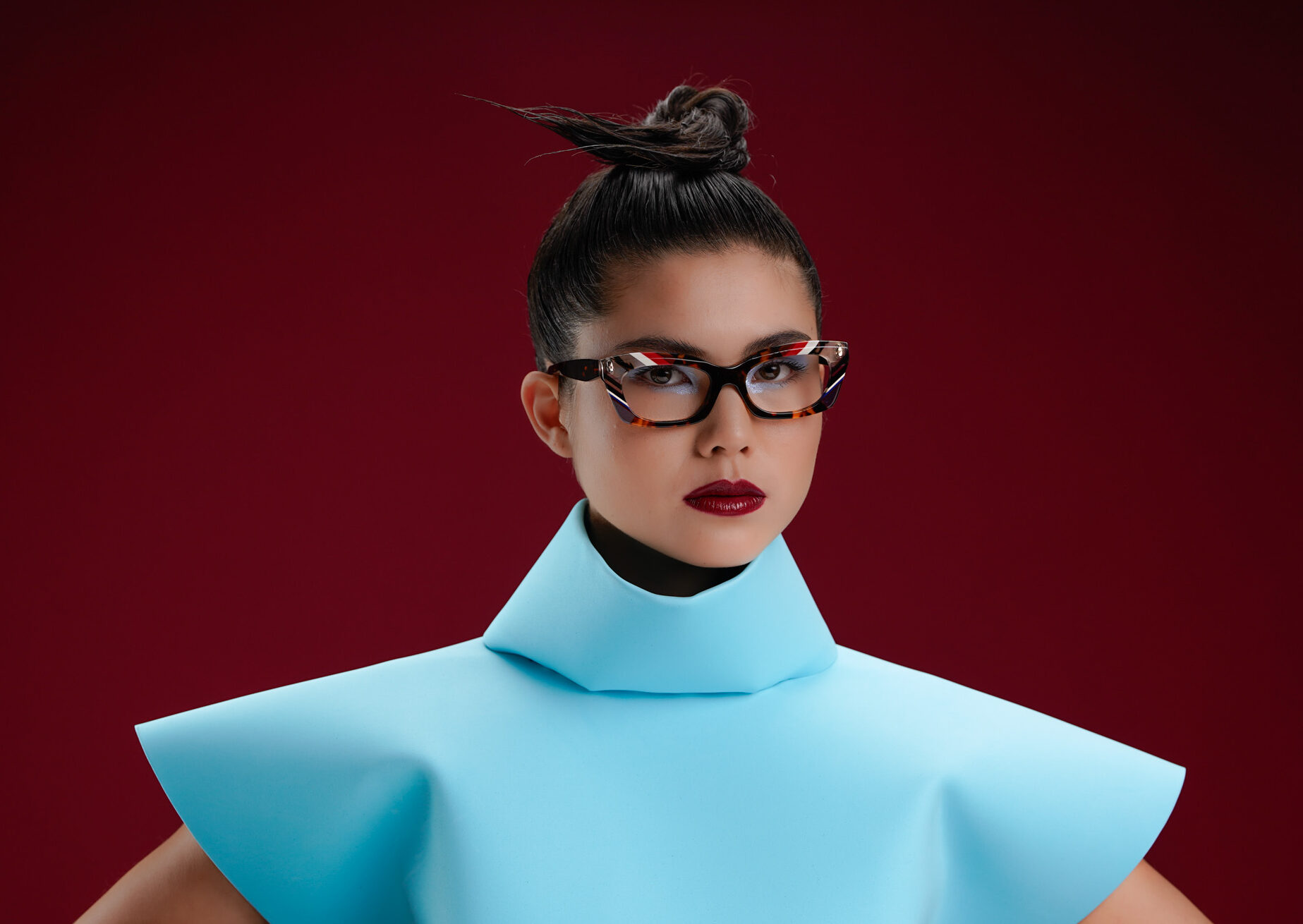
How to choose your frame colour for autumn: 3 criteria and 5 colours
Undertone, eyes, hair: what matters before you choose the colour of your glasses
Colour is the first thing you notice about a pair of glasses. And it’s often the first thing people get wrong.
Choosing the colour of your glasses frame for optical eyewear isn’t just a matter of taste. Skin undertone, eye and hair colour, the contrast across your face: these are concrete criteria that make the difference between a frame that flatters you and one that dulls you. And in autumn, the warmer, lower light makes some colours more intense than others.
Here are three criteria for choosing the right colour and five colours from the Ultra Limited collection, designed for this season.
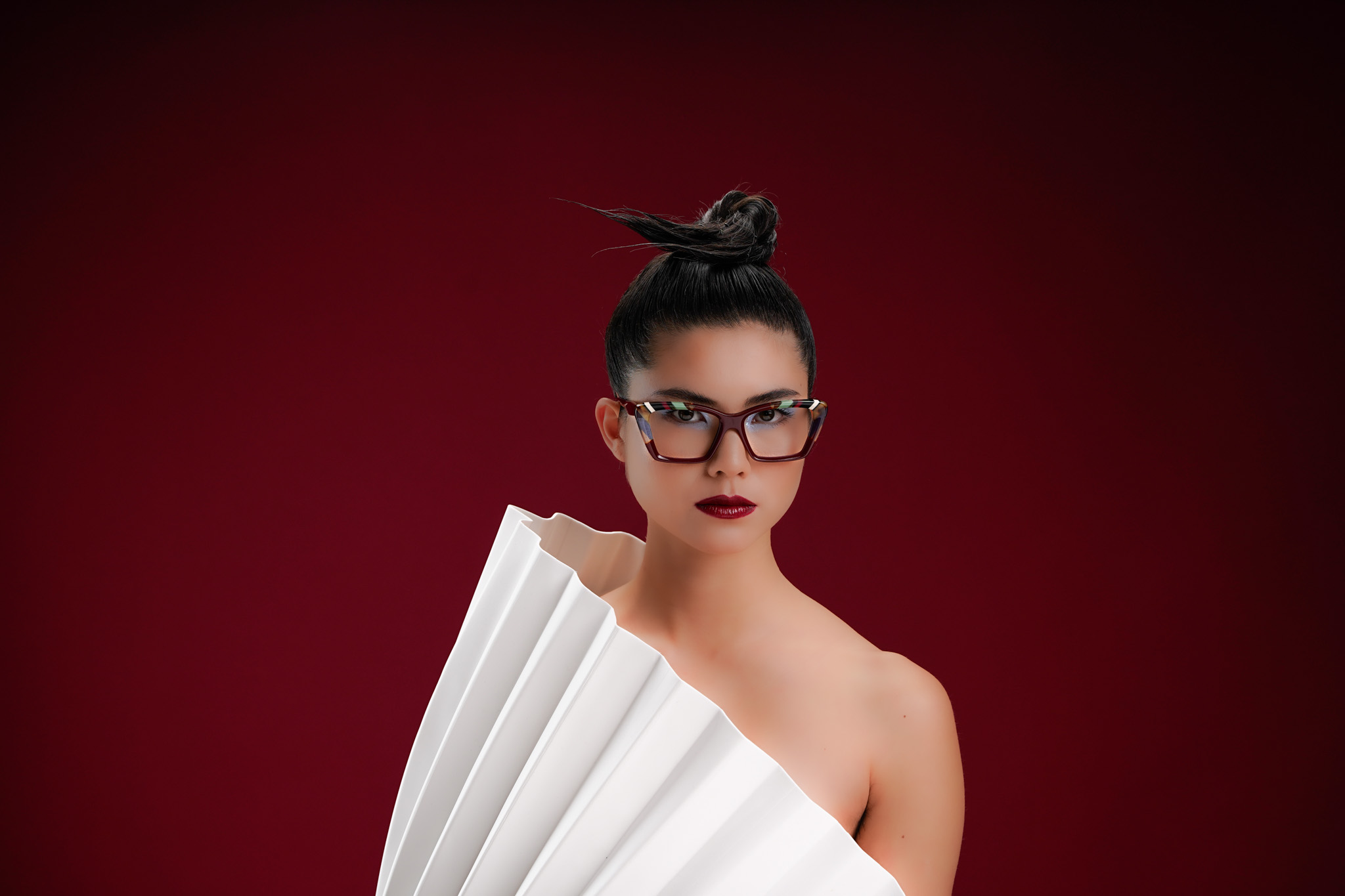
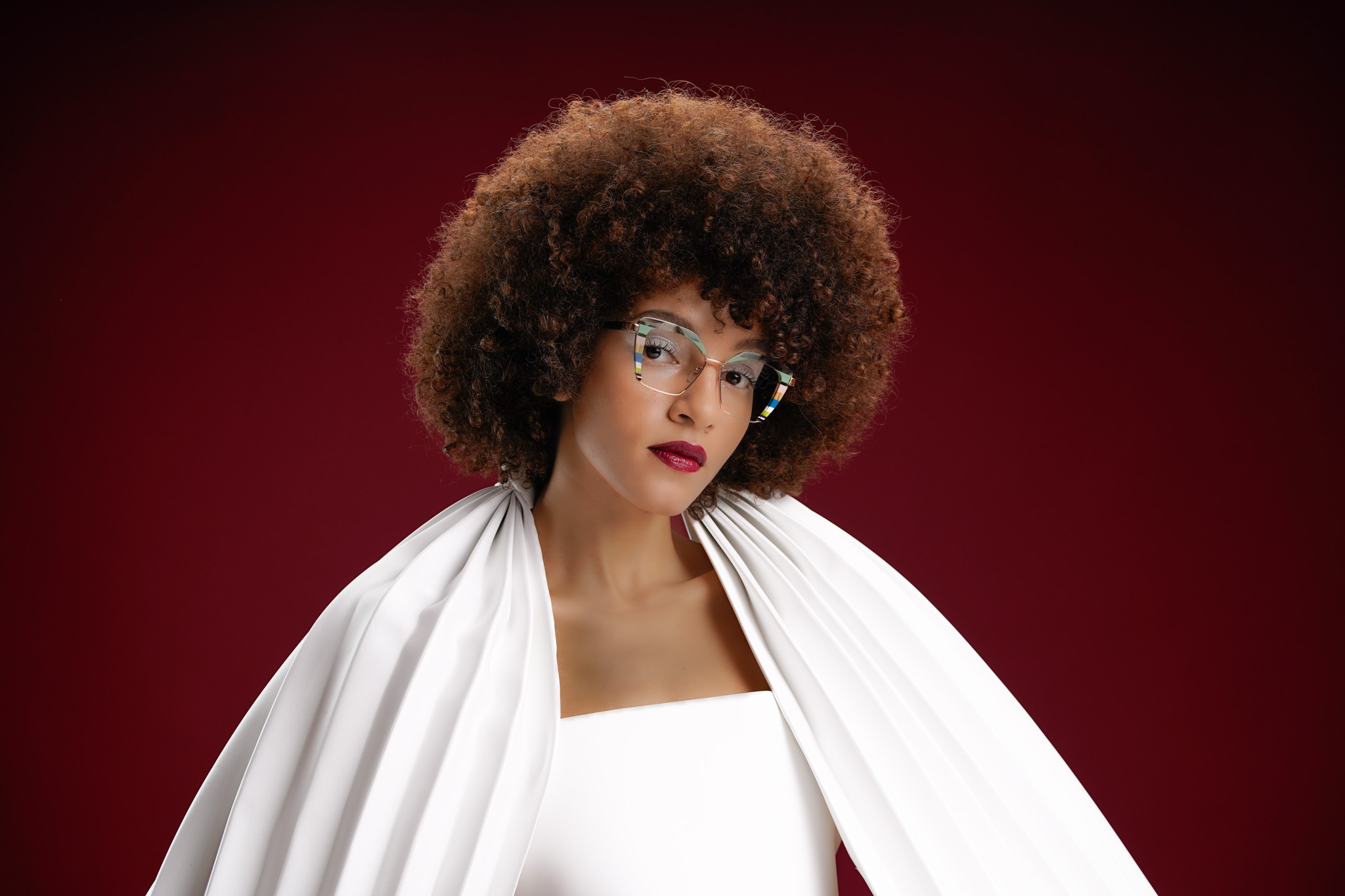
The right colour starts with your face, not the season
How to choose the colour of your glasses frame: three criteria
A frame is worn every day, for years. That’s why its colour should be chosen with precise criteria, even before the taste of the moment.
Skin undertone. This is the starting point. It doesn’t change with a tan or with the seasons, and it’s what decides whether a colour lights up your face or flattens it.
- Warm undertone, skin with golden, peach or amber hints: choose havana, green and all earth tones.
- Cool undertone, skin with pinkish hints or a neutral beige: go for burgundy, blue and black.
- Neutral undertone, you can move between both registers and be bolder.
We explored the topic in depth in our guide Sunglasses 2026: how to choose the right pair.
Eyes and hair. A frame outlines your gaze: its colour can echo your eye colour or make it stand out through contrast.
- Blonde hair, choose light havana and honey tones. Solid black risks hardening your features.
- Brown or dark hair, you can wear full colours such as burgundy, blue and dark havana.
- Grey or white hair, look for a decisive colour that stands apart. Burgundy and blue bring light to the face, while greys and silvers blend in.
- Blue or grey eyes, blue echoes them, havana makes them stand out.
- Brown eyes, havana enhances them, green and burgundy light them up.
- Green eyes, burgundy creates the sharpest contrast.
Contrast. A frame in the same register as your colouring blends in with your face. One in the opposite register becomes the focal point of your look. There’s no single right choice: there’s the one that best expresses your character.
Five colours for the season
The Ultra Limited autumn palette: frame colours for 2026
Autumn calls for full, warm colours with depth. They’re the same colours we find in our optical frames and in the new 2026/2027 collection, crafted in cellulose acetate. Not passing colours, but colours that last, interpreted through the character of each model.
Havana
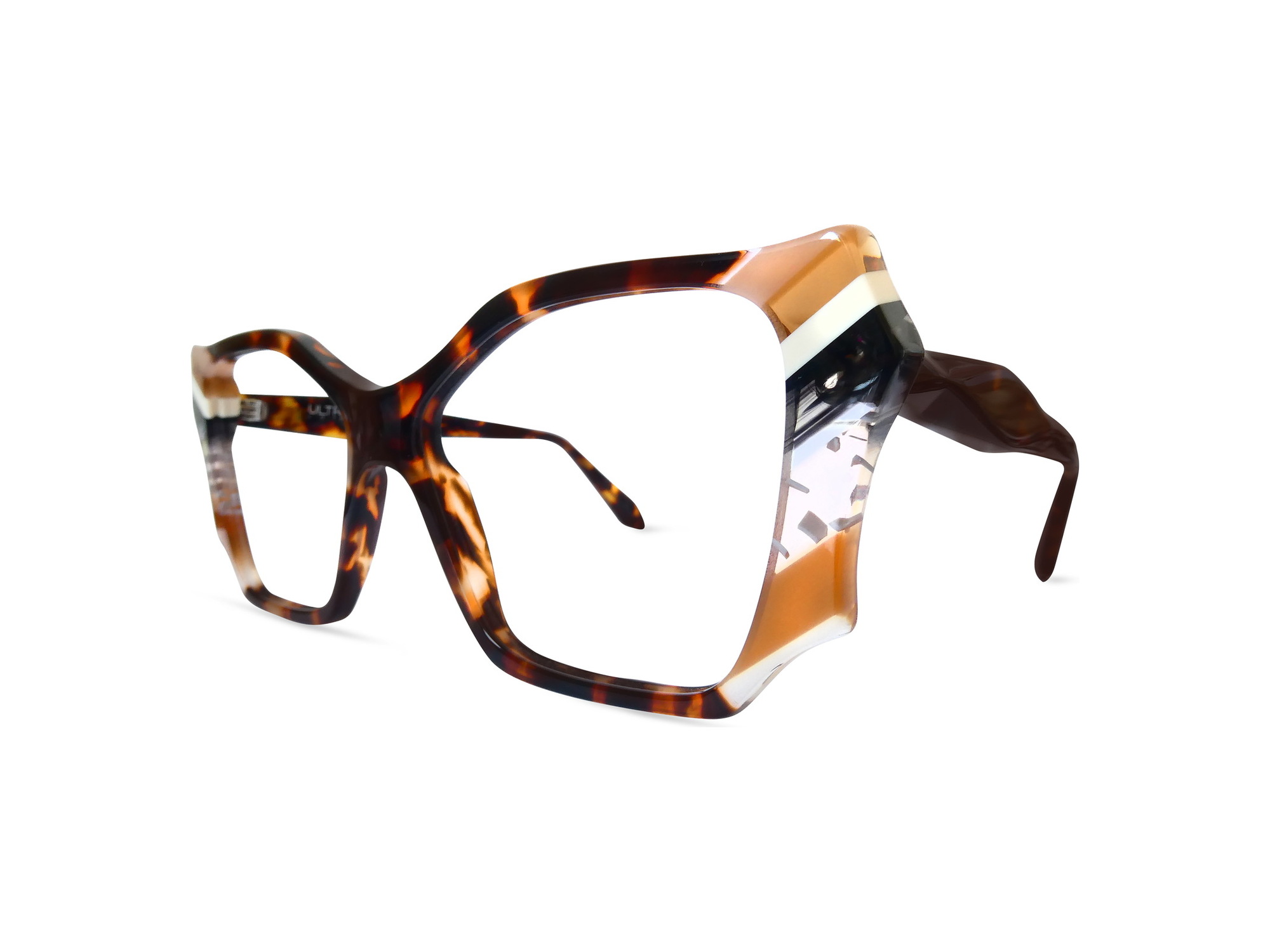
Tortoiseshell is the signature colour of autumn. In Ultra Limited tortoiseshell glasses, the shades of brown, amber and honey aren’t printed on the surface: they come from the acetate sheet itself and change depending on how the light passes through it. It’s the most versatile colour, perfect for warm and neutral undertones and for anyone with brown eyes.
You’ll find it in the new models Asolo, Lerici and Gorizia, and in Barolo and Canelli.
Bordeaux
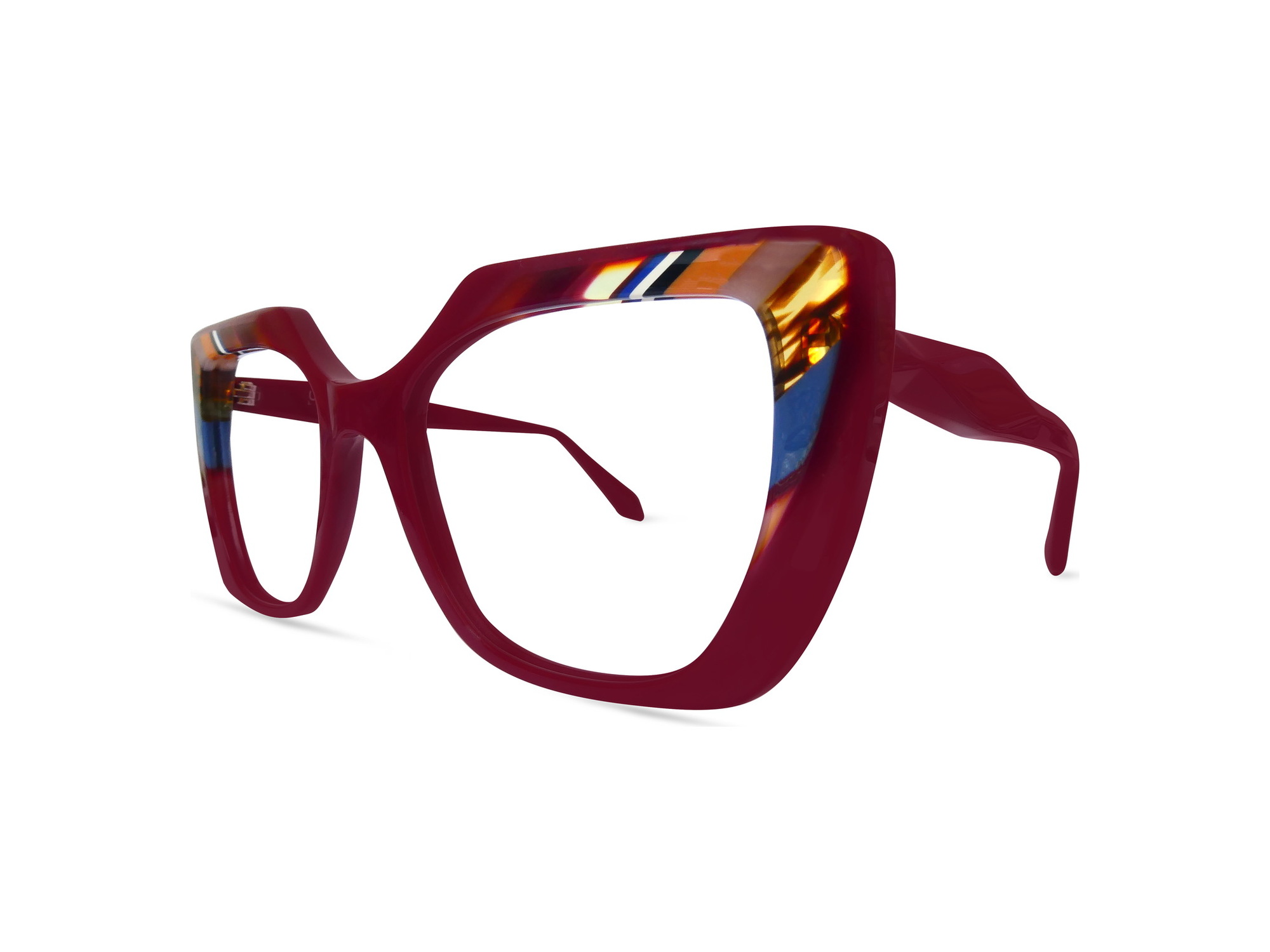
Deep and elegant, burgundy is the alternative to black for anyone with a cool undertone. With grey hair it brightens the face; with green eyes it creates a sharp contrast.
It’s one of the colours that define the new collection: you’ll find it in Maratea, with brow-line bonding, in Lerici, with side bonding, and in Palmanova, a cat-eye with a squared profile. If you’re looking for it in sunglasses too, Chioggia is the perfect example.
Green
The least predictable colour in the palette, for anyone who wants glasses that don’t go unnoticed. On a warm undertone it surprises; with brown and hazel eyes it brings them out.
You’ll find it in Asolo, a round frame with lower bonding: the colour is concentrated in the lower part of the front and leaves your gaze free.
Blue
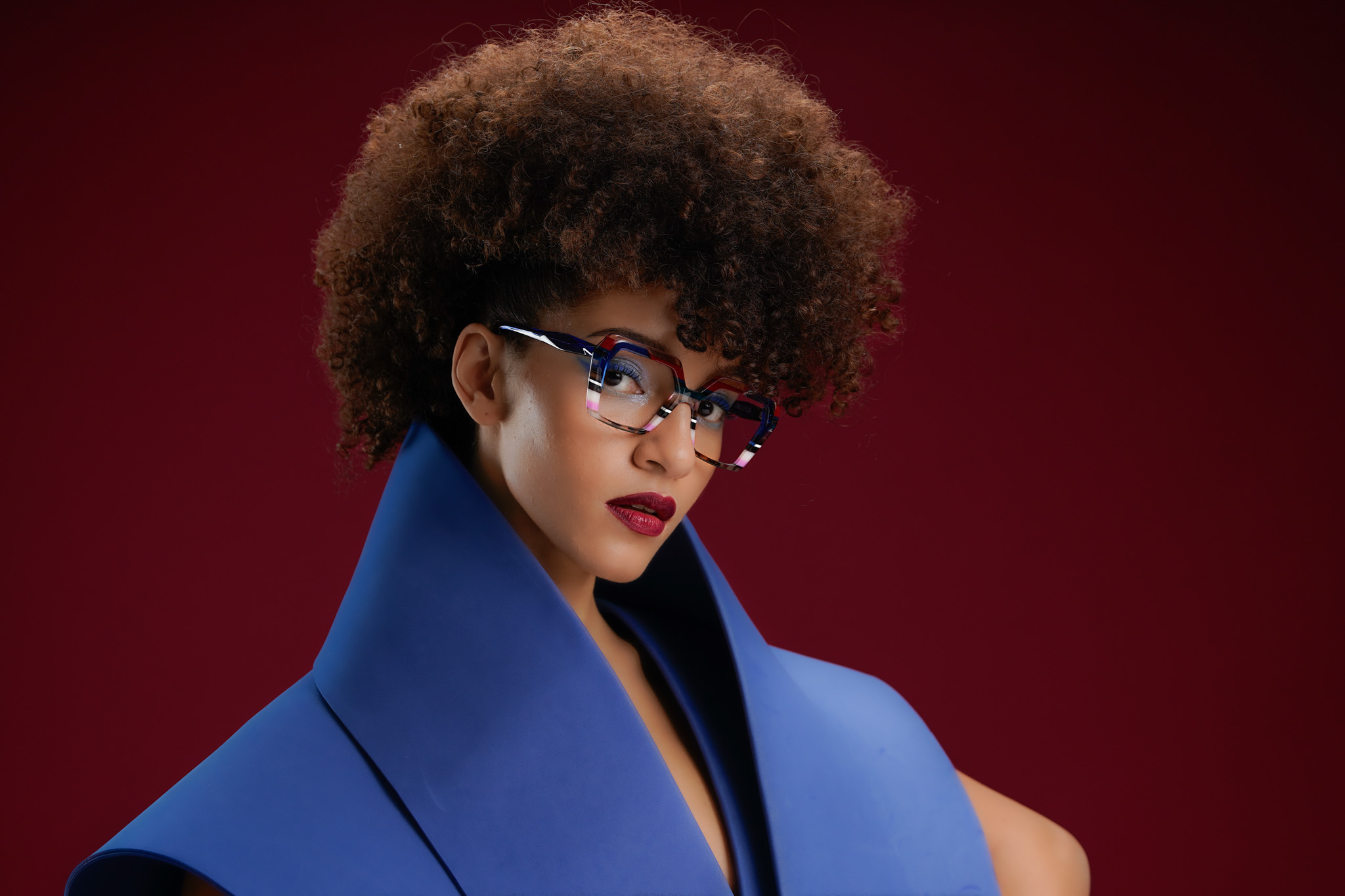
The authority of black, with more depth. In the light, blue reveals nuances that black doesn’t have, echoes blue eyes and works with all cool undertones.
It’s available in all six models of the new collection, from Asolo to Gorizia.
Stripes
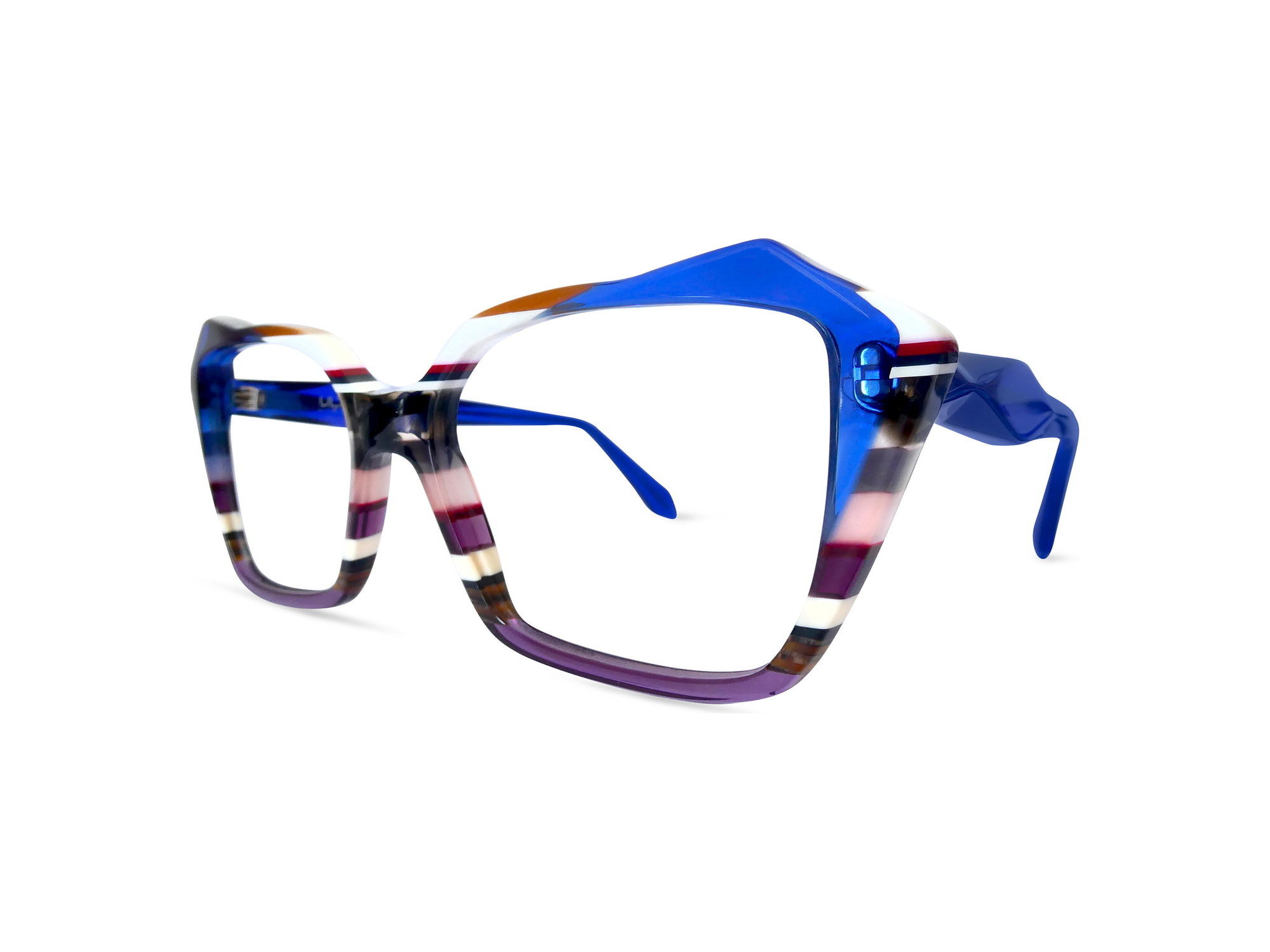
More than a colour, a texture. The alternating lines of colour on the front play off the fabrics of the season, wool, tweed, velvet, and turn your glasses into a detail worth a closer look.
You’ll find them in Barolo, Canelli, Marsala and Monforte.
The Ultra Limited signature
Colour and bonding: why every frame is unique
In all our glasses, colour isn’t a finish: it’s the very structure of the frame. Each model is made from 12 sheets of cellulose acetate, selected and paired one by one, and over 41 days of craftsmanship.
It’s the bonding that defines where the colour is concentrated. In the upper part of the front with the brow-line bonding of Maratea and Chioggia, in the lower part with the lower bonding of Asolo, at the sides with Lerici, in relief with the overhanging bonding of Palmanova and Gorizia. You’ll find every technique in Ultra Limited bonding.
The result is a colour pattern that never repeats: two frames in the same colour will never be identical. That’s why the best way to choose yours is to try it on in person, at your optician.
Answers to the most frequently asked questions
Havana. Its shades of brown, amber and honey suit almost every undertone. If you’re looking for an alternative to black, blue is the most versatile choice.
A decisive colour that stands apart: burgundy and blue brighten the face. Best to avoid greys and silvers, which blend in with your hair.
Blue to echo them, havana to make them stand out. With a cool undertone, burgundy works too.
Cellulose acetate is one of the most highly regarded materials for optical frames: light, durable, with the colour in the material rather than on the surface. It’s also the material that makes bonding possible.